
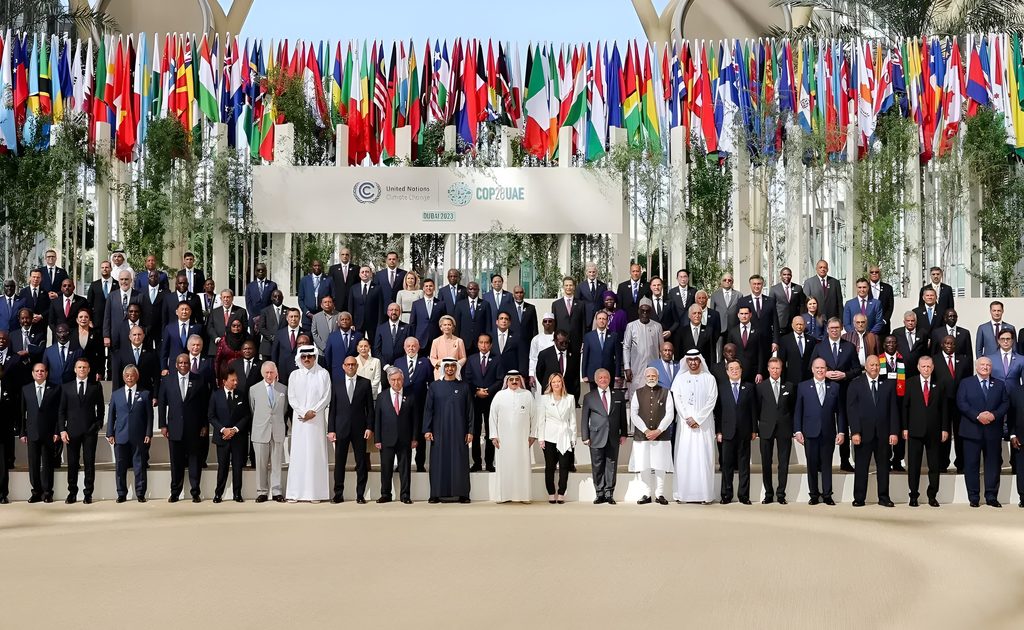
Climate change continues to be one of the major challenges facing countries around the world. Governments and international organisations are working to reduce greenhouse gas emissions and limit global temperature increases. The United Nations continues to encourage countries to strengthen their climate commitments. Rising temperatures are contributing to changes in weather patterns across many regions. Extreme heat, floods, droughts and storms are affecting communities in different parts of the world. Developing countries can face significant challenges in adapting to these climate impacts. International cooperation is important for addressing climate-related risks. Countries are working on renewable energy and cleaner technologies to reduce dependence on fossil fuels. Solar and wind power are expanding in many parts of the world. Governments are also discussing ways to improve energy efficiency. Climate finance remains an important issue in international negotiations. Developing countries are seeking greater financial and technological support. Protecting forests and restoring ecosystems are also important climate measures. The transition to cleaner energy can create new economic opportunities. Scientists continue to study the effects of climate change and changing weather patterns. International climate agreements provide a framework for countries to cooperate. Public awareness is also important for encouraging sustainable practices. The global response to climate change requires cooperation between governments, businesses and communities. Climate action therefore remains a major issue in international news.